

How Long Does it Take to Learn How to Draw?
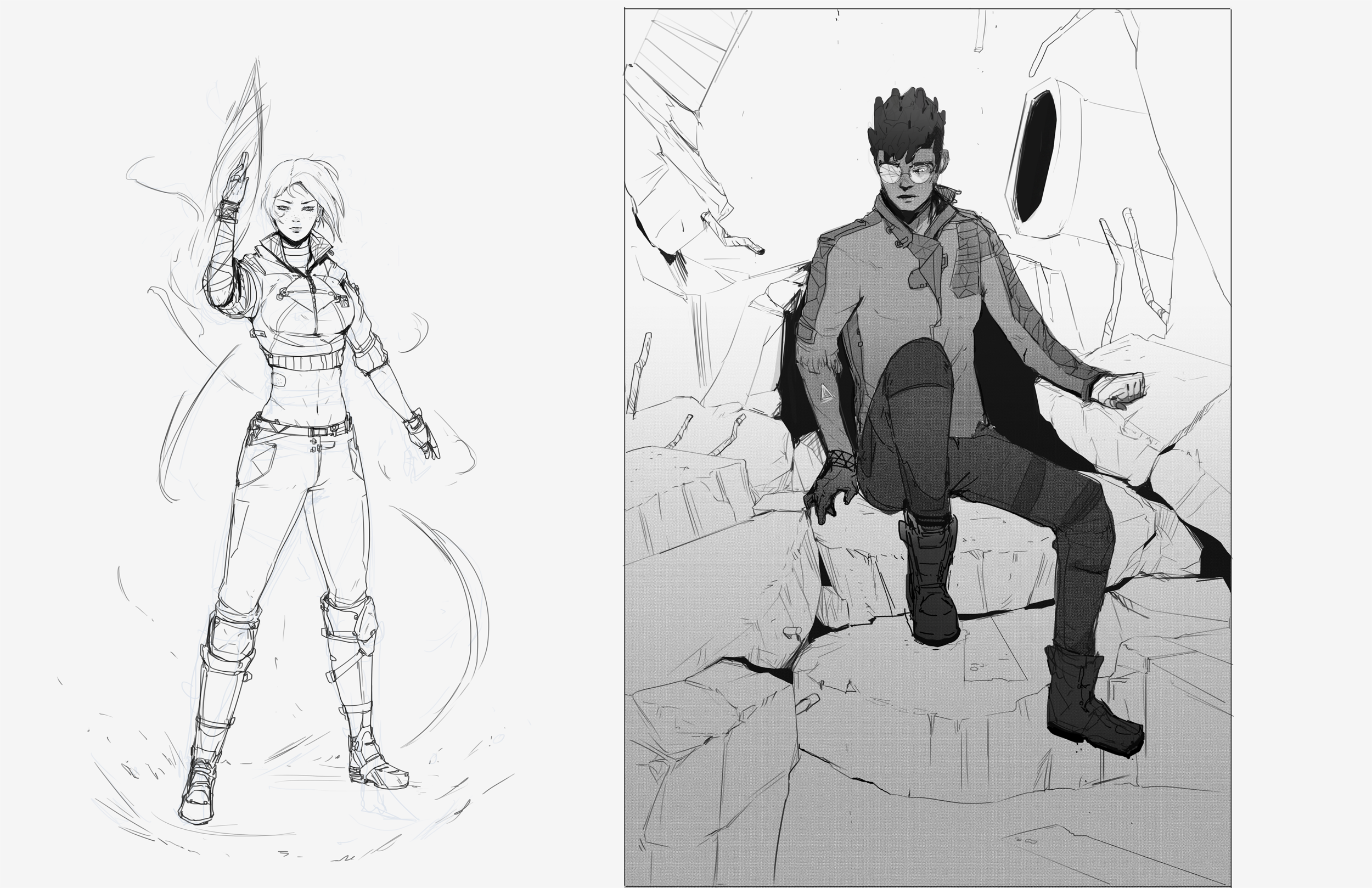
Drawing well is a matter of developing THESE KEY THInGS…
Do I have you attention? Don’t scroll too fast or click away.
Believe me, as an artist with ADHD, I get it.
Even if you don’t have ADHD, we’re all fed a microwave world of instant gratification. We look at results and forget about the process.
BUT - the key getting better at drawing quickly is actually patience and deliberate practice.
Here are some general tips to help QUICKLY GROW YOURS drawing powers.
(WIth Deliberate practice)
Drawing from reference, as opposed to drawing from imagination
Simplifying areas of complexity in your drawing, adding most of the contrast where you want the viewer’s eyes to focus.
Not rushing any part of the process whatsoever.
Placing the big shapes before the small ones.
measuring each mark, line, or shape against the first one you laid down accurately.
Deciding whether you’re going for form, line, or separation of lights vs. darks in your image.

Do those techniques make sense?
Let me break them down some more throughout this post.
Drawing from Reference vs. Drawing from Imagination
Drawing from reference gives you a reliable guide for accuracy, while drawing from imagination challenges your creativity. Mastering both allows you to blend precision with originality, enhancing your overall artistic skills. Use references to learn and imagination to express.
Simplifying Areas of Complexity in Your Drawing
Simplify complex scenes by breaking them into basic shapes and focusing on key areas. Add contrast where you want the viewer's attention, creating a clean, impactful composition. Less clutter, more focus—let your drawing breathe.
Not Rushing Any Part of the Process
Patience is crucial. Rushing leads to mistakes and a weaker final product. Take your time with each step to ensure accuracy and quality. Slow down, focus, and enjoy the process—great art takes care and attention.
Placing the Big Shapes Before the Small Ones
Start with big shapes to build a solid foundation. It’s easier to adjust larger forms early on, ensuring proportion and balance before adding details. Big shapes first, details later—set your drawing up for success.
Measuring Each Mark, Line, or Shape Against the First One
Keep your drawing accurate by measuring each new mark against the first one. This ensures consistent proportions and relationships, preventing distortions. Precision matters—stay disciplined for a cohesive final piece.
Deciding on Form, Line, or Separation of Lights vs. Darks
Decide your focus: form, line, or light vs. dark. This choice guides your technique and style. Whether it's 3D shading, bold outlines, or dramatic contrast, clear intent leads to a stronger, more unified drawing.
I Could take a complete beginner…untrained, and have them amazing themselves within 2 weeks with enough guidance.
The problem with learning to draw alone, or not having a solid course or structure, if that you often spend hours upon hours walking into dead ends, and earning your abilities the hard way.
Drawing isn’t that hard, really. Anyone can make an observation, take it down with a series of marks, and copy techniques used by the masters.

Learn the principles of art.
Have you ever wanted to make cute, easy drawings? Or you might get stuck trying to think of poses for drawings.
When you have drawing ideas, do they always come out looking wrong or off? Like you don’t know where to put the lines?
I was just like you, until I discovered the art fundamentals that changed everything for me— no talent required.
Seriously—Whatever you want to draw, whether it’s tigers, anime girls, castles, butterflies, or dogs— this course will teach you everything you need to know.
In these video lessons, you’ll learn every fundamental that masterful artists have used and developed for centuries, taught to you in short, easy-to-digest lessons.
These are the basics of drawing that will allow you to draw in any style, and even develop your own.
No longer will you have to fear the blank page, or making “bad” drawings.
You’ll learn drawing exercises used by industry pros that make learning to draw seem easy— almost effortless.
The journey is yours, and you are the hero of it.
If you have ideas you want to draw, this course will serve you well— even if you just want to doodle, you’ll do it with more fun, freedom, flow, and accuracy than ever.
And yes, we start from square one together. The simplest shapes, and the most basic building blocks will accompany your hand and mind.
You can start with no knowledge, or even inaccurate knowledge (which I invite you to throw into the bushes on your way inside.) And grow to become a self-directed, self-taught artist.
We’ll Cover:
Proportions
Construction
Warm-ups
Easy to Intermediate drawings
Light and Shadow
Perspective Basics
The Human Figure
The Human Face
Basic Anatomy
Basic Shapes
Composition 101
Line theory and line work exercises
Drawing with and without reference
easy drawings
ideas to draw
how to draw a body
how to draw hair
how to draw a face
And more!
You will have a clear roadmap of the journey laid out for you. You will know exactly what to do next, including when you’re ready to move from one assignment and lesson to another.
In the beginning you will need clearer guidelines, but as the course progresses, and you feel your drawing wings begin to develop, there will be more room to soar.
You will feel the unbridled joy of artistic ascent, rushing you to the skies of creative capacity.
Yes, drawing can feel like that.
But worry not, if you’re uncertain of yourself or if you have what it takes, I assure you that you needn’t. You have exactly what it takes to learn how to draw.
If you will set aside your judgements of good or bad, to simply draw with the intent of improvement, and if you will stoke daily the fires of your creative hearth (which I will show you a bevy of ways to do) then you cannot help but move forward.
Lesson Plan:
1. Drawing Basics - Starting Simple
2. Fundamentals - The basis of drawing evolution
3. Drawing from life - Going to the source and what it teaches
4. Quick Sketching 101 - laying foundations fast
5. Drawing Development - Refining your base work
6. Easy and effective perspective - Create an instant feeling of space.
7. Creative drawing - Using Reference as a path to success.
8. Shading and Values - Working with Light and the marks that describe it
Each lesson includes several videos around 3-20 minutes long, with exercises and assignments at the end of the lesson!
In other words, it’s always easy to take action.
Now, let's begin shall we?
It’s our own human OS and cognitive biases that tend to hold us back.
A lot of people have had success with learning the fundamentals as they go, like through my beginner drawing course pictured here.
But in all sincerity, how long it takes to draw well depends on how consistent you are, how deliberately you practice, or how much you’re willing to invest in the skill in terms of time, energy, and yes, often money.
In the end, whether it takes you 2 years or 20— drawing is worth learning. There’s no joy like being able to transpose timeless artistic fundamentals and give form to them for others to see. There’s a reason people were painting on caves thousands of years ago.
So in the end, it can take about 2 weeks to see pretty incredible progress, but it takes about 2 months to really get going.
Lastly, I’d say the fastest I’ve ever seen someone go from beginner to pro was 2 years without mentorship, but in a community of like-minded artists, all trying to get better.
A year of mentorship and a devoted mentee can get you VERY far.
CONCLUSION
So if you’ve got some spare cash, are a bit older, and realize you don’t have as much time to learn to draw as an 18-24 year old, then consider investing in mentorship.
If nothing else, the principles outlined above will help a lot!
I wish you success, patience, and joy on the journey.
Happy drawing,
Tay
